Unlocking Engagement: Mastering Remote and Hybrid Parish Council Meetings Post-Pandemic
Remote and hybrid meetings are here to stay. Discover how your parish council can leverage these formats to boost community engagement and maintain robust governance, aligning with SLCC guidance.
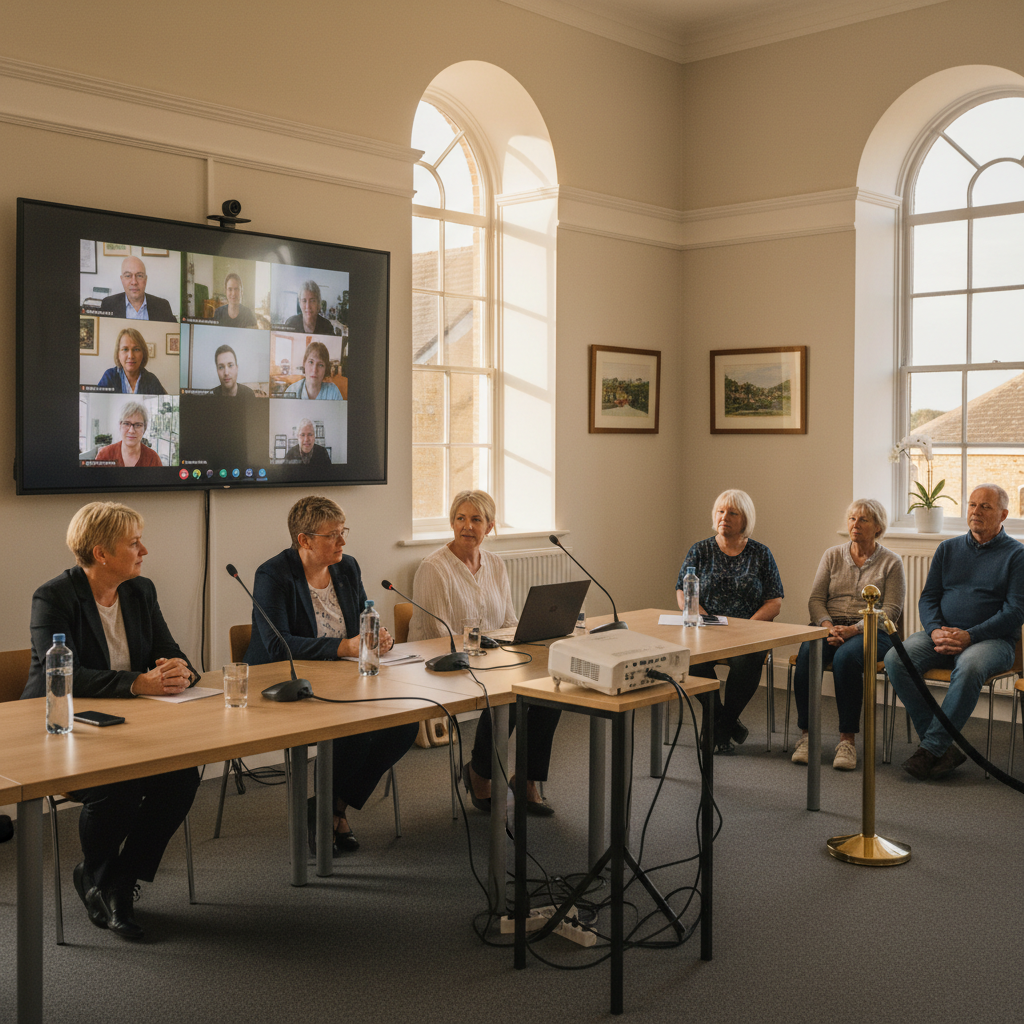
Unlocking Engagement: Mastering Remote and Hybrid Parish Council Meetings Post-Pandemic
For many parish and town councils across England, the shift to remote meetings during the pandemic was a necessity. Now, over two years since the temporary regulations expired, the question isn't if councils can meet remotely, but how they can best integrate remote and hybrid options to enhance transparency, accessibility, and community engagement. As of April 2026, the landscape for local council meetings continues to evolve, and understanding best practices is crucial for effective governance.
The Legal Framework: A Quick Recap
It's important to remember that the temporary provisions allowing remote meetings under the Coronavirus Act 2020 expired on 7 May 2021. Since then, the legal position, as confirmed by a High Court ruling, is that council members must be physically present at a single, specified location for a meeting to be lawfully constituted. This means fully remote meetings are not currently permissible for formal decision-making.
However, this doesn't preclude the use of technology. Hybrid meetings – where some members are physically present and others participate remotely – are increasingly common. The key is ensuring that the remote participants are not formally counted towards the quorum or voting, unless they are physically present at the designated meeting place. The Society of Local Council Clerks (SLCC) and the National Association of Local Councils (NALC) have consistently advised on these nuances, emphasising the need for councils to adhere to their Standing Orders and Financial Regulations.
Beyond Legalities: The Case for Hybrid Accessibility
While the legal framework mandates physical presence for formal meetings, the spirit of transparency and public participation often calls for greater accessibility. Many councils have successfully adopted hybrid models for public attendance, allowing residents to observe proceedings and even participate in public participation sessions remotely, while councillors remain physically together.
This approach aligns with the principles of the Local Government Transparency Code 2015, which encourages councils to publish meeting information and make proceedings accessible. By offering a remote viewing option, councils can reach residents who might otherwise be unable to attend due to work commitments, childcare, mobility issues, or geographical distance. This significantly broadens the democratic reach of the council.
Practical Steps for Effective Hybrid Meetings
Implementing effective hybrid meetings requires more than just a webcam. Here are some practical takeaways for parish and town councils:
1. Review and Update Standing Orders
Your council's Standing Orders are its rulebook. Ensure they clearly define how public participation will work in a hybrid setting, how remote attendees will be managed, and any technical requirements. The SLCC provides excellent template Standing Orders that can be adapted to include provisions for managing hybrid elements.
2. Invest in Reliable Technology
This doesn't mean breaking the bank. A good quality microphone, a stable internet connection, and a clear camera are essential. Consider a dedicated meeting platform (e.g., Zoom, Microsoft Teams) that offers features like screen sharing, chat functions, and recording capabilities. Test your setup thoroughly before each meeting.
3. Clear Communication with the Public
Advertise how the public can access your hybrid meetings – whether through a direct link, a phone number, or instructions on your council website. Provide clear guidelines for public participation, including how to submit questions or speak during designated sessions.
4. Training for Councillors and Clerks
Both councillors and clerks need to be comfortable with the technology. Short training sessions can prevent technical hitches during live meetings and ensure everyone understands their role in facilitating a smooth hybrid experience. The clerk often acts as the meeting host, managing remote participants and technical aspects.
5. Prioritise Inclusivity and Engagement
Ensure that remote participants feel as included as those physically present. The meeting chair plays a vital role in inviting remote contributions and managing the flow of discussion between physical and virtual attendees. Consider using a 'raise hand' feature in your chosen platform.
The Transparency Dividend
Embracing well-managed hybrid meeting options directly contributes to a council's transparency and accountability. When meetings are easily accessible, more residents can observe decision-making, leading to increased trust and understanding of the council's work. This enhanced engagement is a core component of the VDTI (Village, District, Transparency Index) framework, which Council Clearsight uses to assess and rank councils.
By proactively addressing the challenges and opportunities presented by modern meeting formats, parish councils can demonstrate their commitment to open governance and community involvement. It’s not just about compliance; it’s about building a more connected and responsive local democracy.
How Council Clearsight Can Help
At Council Clearsight, we understand the complexities parish and town councils face in navigating regulatory landscapes and community expectations. Our VDTI framework provides a comprehensive, independent assessment of your council's transparency and accountability, including aspects related to meeting accessibility and public engagement. By using our platform, councils can identify areas for improvement, benchmark their performance against national standards, and showcase their commitment to best practice. We offer insights and resources to help you enhance your operational procedures and strengthen your connection with your community.